Witnessed Drafts
Exposing unfinished work publicly to lower the activation energy to ship — and to reward the early readers who showed up while it was still rough.
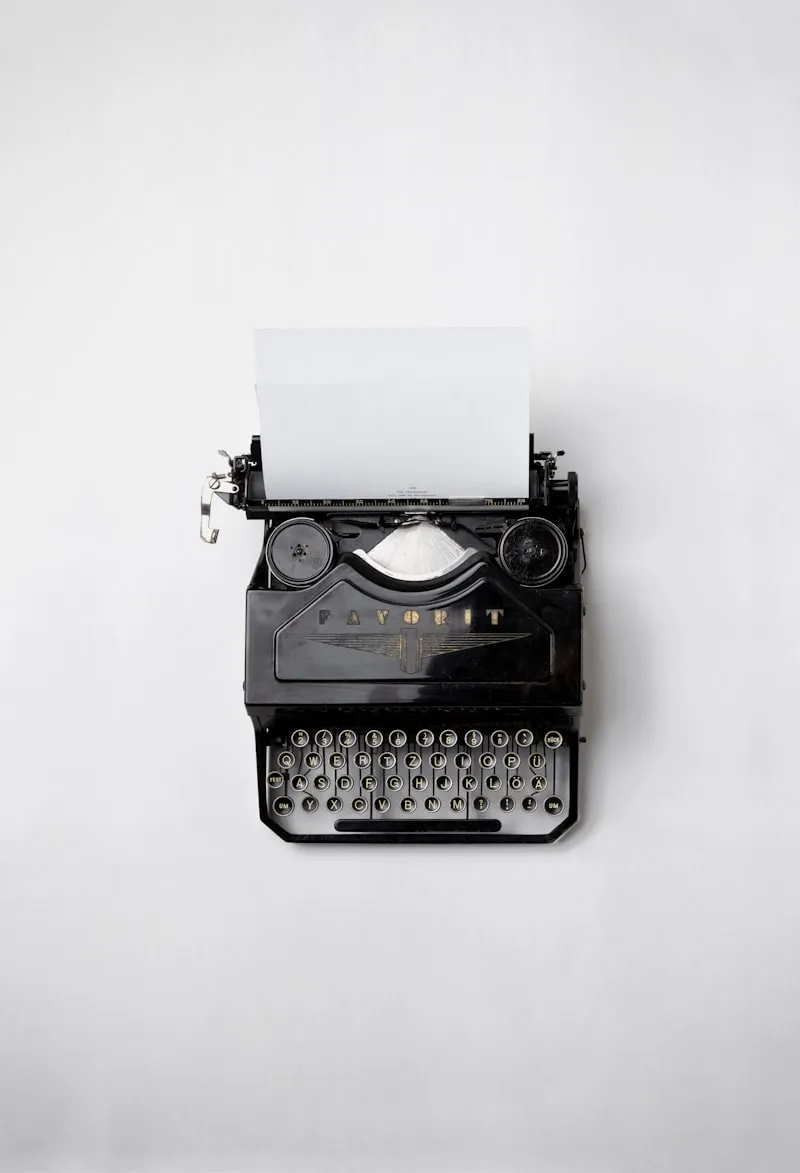
The blank publish button is the heaviest object in the interface. Most drafts die there. A witnessed-draft surface — this is a draft, last edited two days ago, three people have read it — makes the act of publishing incremental. The first reader sees a draft. The second sees a draft with annotations. The final reader sees the finished piece and never knew it existed early.
When to use it
- Personal sites, internal docs, anything where writing volume is the goal.
- Surfaces where trust is built by transparency, not polish.
When to avoid it
- High-stakes legal or financial documents where polished finality matters.
The reward structure
Early readers get something final readers never will: the experience of watching a thing become itself. That is a real reward, and the people who show up for it are reliably the people whose feedback you most want. A witnessed-draft surface doesn’t lower the quality of your work. It changes the shape of your readership.