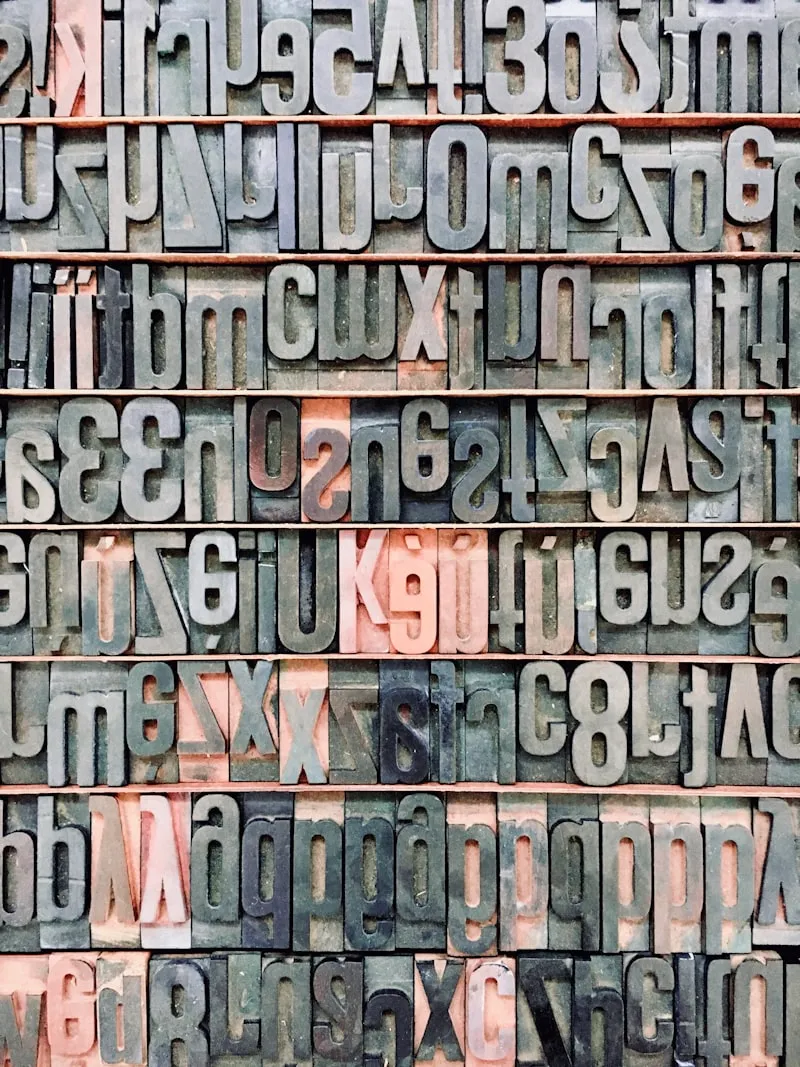
Borrowed Type
Using the visual conventions of another medium — books, paper, handwriting — to lower the read-cost of long-form digital content. The medium informs the expectation.
A digital essay doesn’t need to look like a webpage. Borrowing the typography of a small-press book — a serif headline, narrower measure, less aggressive leading — tells the reader they have entered a quieter contract. The medium informs the expectation. A page that looks like a manual reads like a manual.
When to use it
- Long-form essays, documentation, anything where reading time matters.
- Surfaces meant to feel archival, not disposable.
When to avoid it
- Transactional UI where utility is the only goal.
Why borrowing works
Readers have already learned how to read a book. The conventions — generous leading, a confident serif, a narrow measure — cue them into a different relationship with the text. The web’s default chrome (sans-serif headlines, hyperlinks in blue, generous whitespace) cues them into skimming. Borrowed type is a small signal that says: this is for reading, not for scanning. The reader responds accordingly.