Typography Is Not Decoration
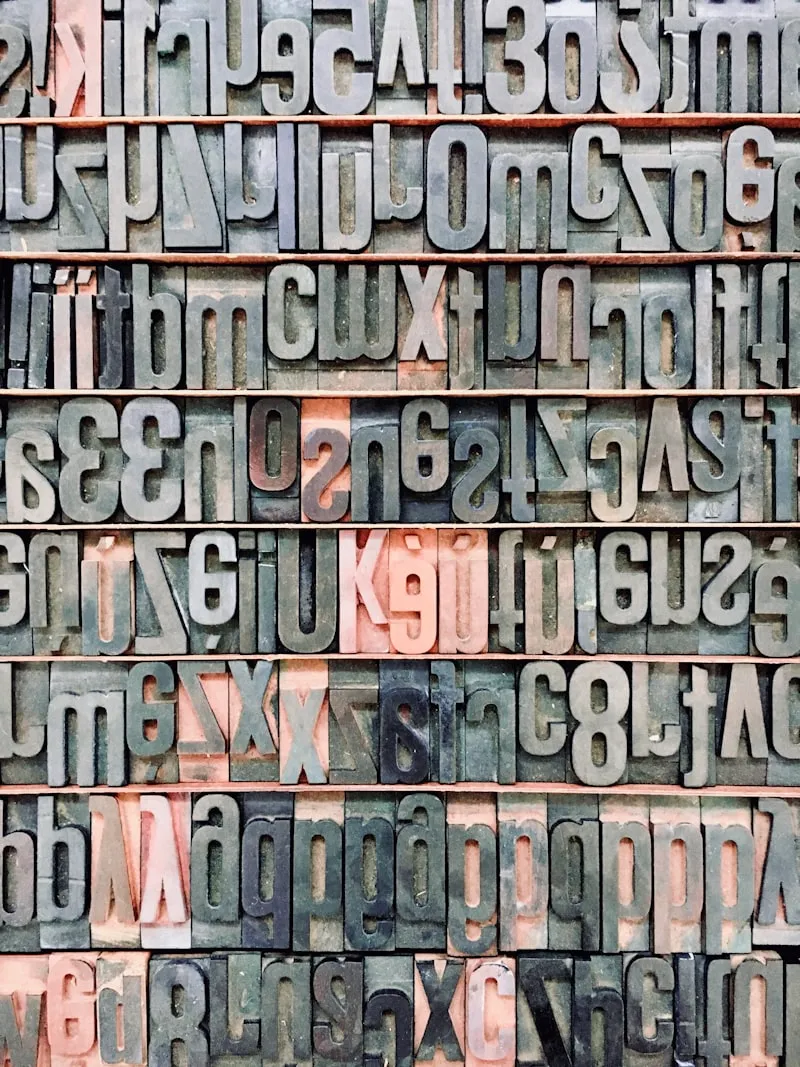
Gutenberg’s press was not primarily an aesthetic revolution — it was an accessibility revolution. Before movable type, manuscripts were reproduced by hand, which meant only the wealthy could afford multiple copies, and even then, inconsistencies between copies meant readers had to constantly reorient themselves.
Standardised typefaces and consistent spacing meant, for the first time, that reading could become a fluent, automatic skill rather than a constant act of deciphering. That is exactly what WCAG contrast ratios and legible font sizes do today: they reduce the cognitive load of reading for anyone whose fluent reading is not yet automatic, whether that is a dyslexic user or someone reading in a second language.
The best digital typography is not beautiful typography — it is typography that disappears, letting the reader focus entirely on meaning rather than decoding the form.